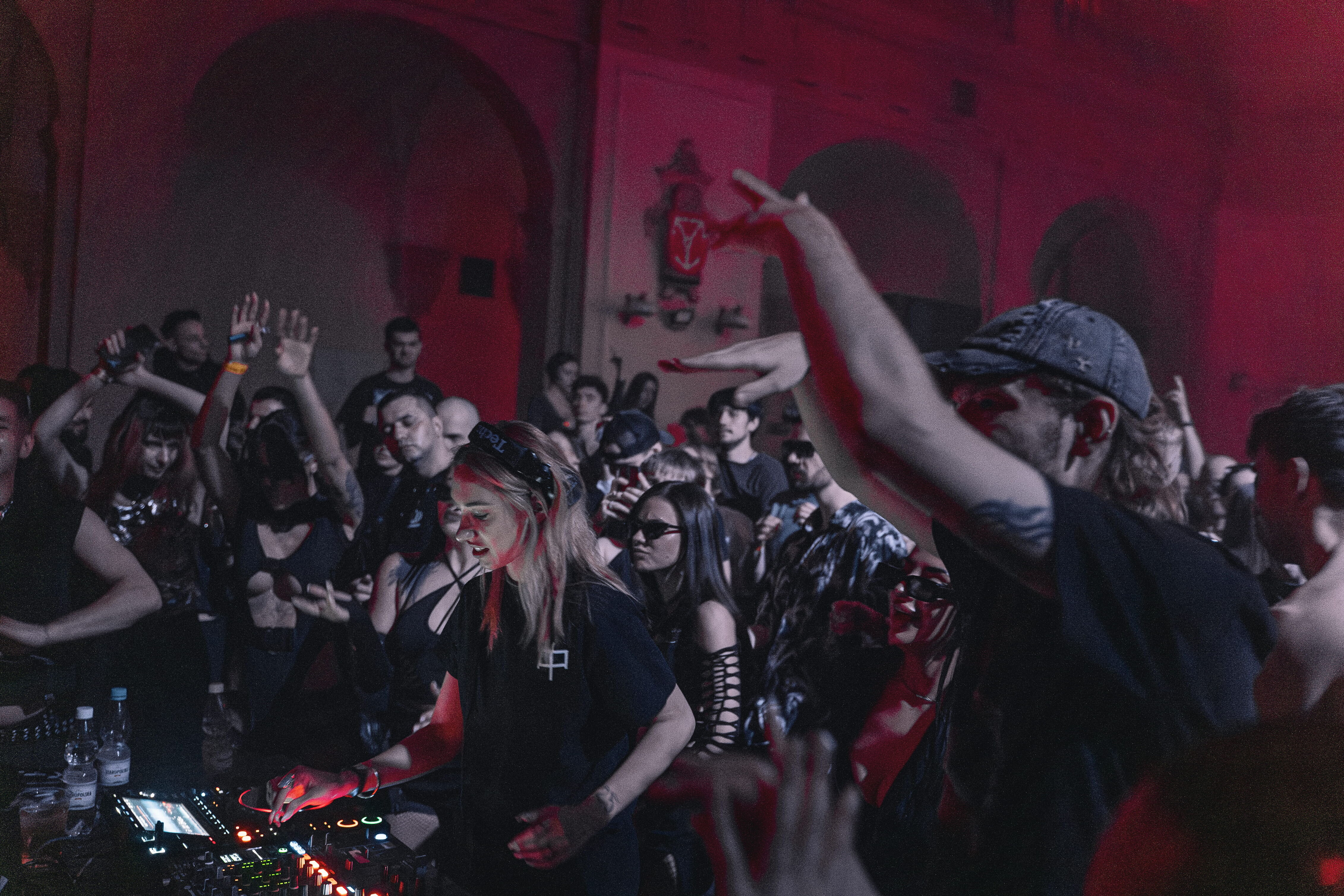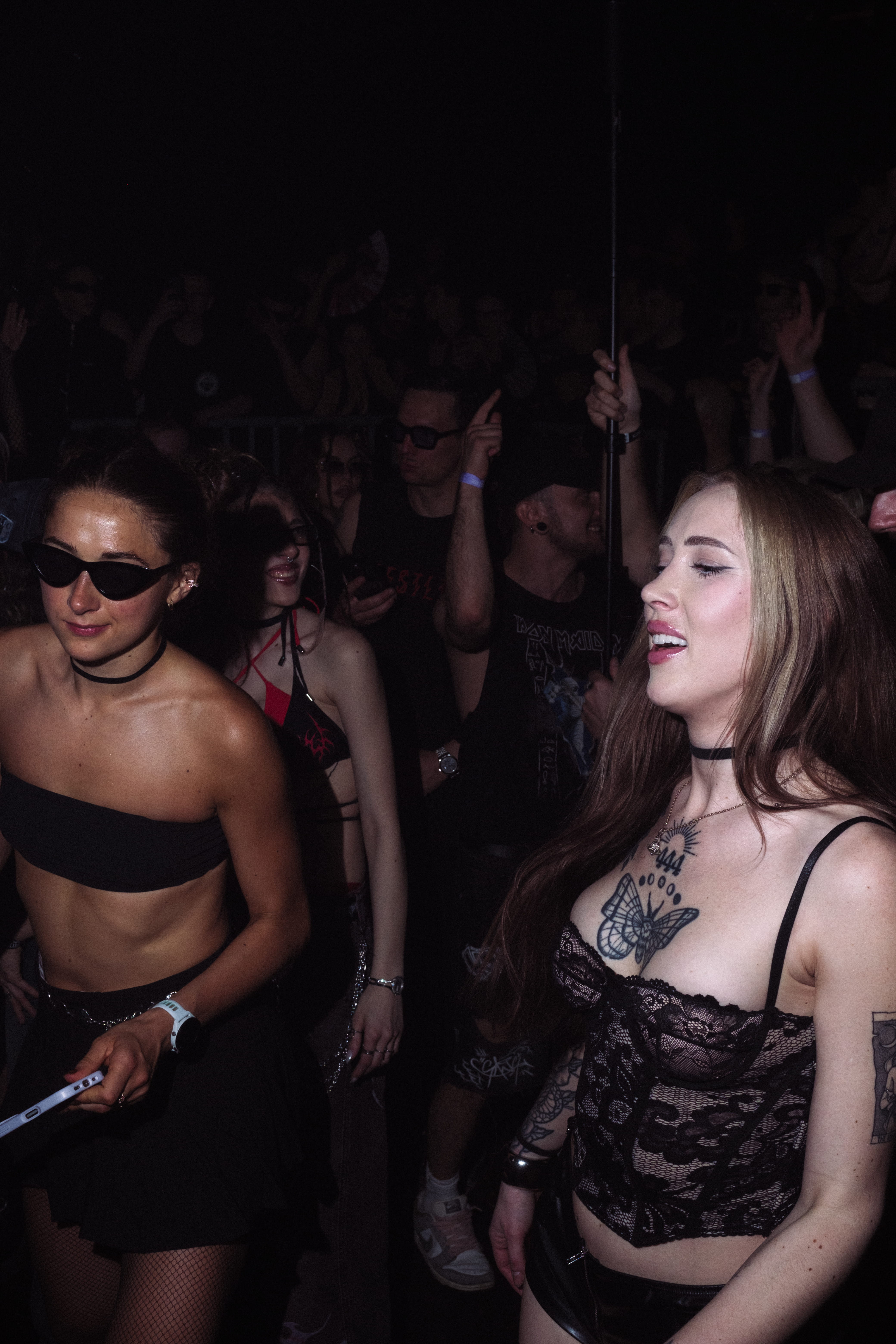
Hard techno is undeniably the musical phenomenon of recent years, boasting legions of fans, massive events, and awe-inspiring audiovisual productions. For some, it is too fast and too simple; for others, it has become a lifestyle.
How did this incredibly fast, borderline aggressive music achieve such immense popularity, building a distinct subculture around itself that global brands are now eager to follow?
This rise was fueled, among other things, by a unique synergy between TikTok algorithms, pandemic-induced youth frustration, and giant, spectacular festivals. These elements transformed a niche genre from dark basements into a mainstream arena and stadium phenomenon. Indeed, post-pandemic isolation and alienation made young people, in particular, crave a different kind of clubbing experience, causing the music to accelerate so drastically.
But is this really a new phenomenon? After all, faster variants of dance music have always been present in club culture, sparking revolutions along the way. Take Hardcore and Gabber from the Benelux countries, UK and Happy Hardcore from Great Britain, or the various forms of Schranz and Happy Rave from 1990s Germany. These are perfect examples of the ongoing battle over BPM and the ever-accelerating dance steps on dancefloors worldwide.
Although the roots of the genre date back to the 1990s (though it sounded completely different back then), its contemporary explosion in popularity is a phenomenon of just the last few years.
Admittedly, modern hard techno is incredibly visually appealing, meeting the high expectations of today's clubbers. The aggressive, fast-paced tempo—often exceeding 150–160 BPM—syncs perfectly with short-form videos like those on TikTok. Add to that the omnipresent black dress code and dark club-wear featuring leather, chains, harnesses, and sunglasses, resulting in a neo-gothic and cyberpunk aesthetic. Hard techno offers a subculture that is relatively easy to emulate and blend into, allowing young people to showcase it online and across social media.
The closure of clubs during the COVID-19 pandemic triggered a powerful need among the younger generation (Gen Z) for a radical release of built-up emotions. It was meant to be a pure escape from the mainstream. Traditional, slower subgenres of techno, "sweet" EDM, or Afro-house were no longer enough. Young people searched for something extreme, raw, and cathartic. The blistering tempo of hard techno stimulates the brain's dopaminergic system, driving listeners into a deep trance and providing an escape from daily struggles—or so its most dedicated fans claim.
Today's hard techno stars combine their mixing skills with immense charisma, a powerful social media presence, and highly distinctive performances.
Sara Landry, an American producer and DJ dubbed the "High Priestess of Hard Techno," is now playing everywhere, headlining the world's most critical events and festivals. She is even appearing on lineups for festivals that traditionally honor classic techno styles from Berlin or Detroit. In fact, music festivals have been gradually smuggling in these "hard techno superstar DJs" to attract younger crowds and scale up their events. So, which DJs and performers are currently the most sought-after in the genre?
Sara’s 2023 Boiler Room x Teletech set became an absolute viral phenomenon, generating millions of views and catapulting her into the ranks of the world's most in-demand artists. She serves as the perfect example of how modern, fast techno gained a recognizable face and a massive, devoted fanbase. I still remember the advice I got from the promoters of the Dutch event Verknipt: "Interview her while she isn't so big that she won't have time for it!"
Klangkuenstler is a German artist who acts as a bridge between the classic, raw schranz sound of the 2000s and modern production standards. His Outworld event series consists of massive audiovisual spectacles. Klangkuenstler regularly sells out legendary, multi-thousand-capacity arenas for "All Night Long" open-to-close sets, a prime example being his spectacular show at Amsterdam’s Ziggo Dome.
And do you remember Holy Priest's visits to Warsaw's EXPO XXI? Even before a brief controversy involving allegations of playing a pre-recorded set, Holy Priest triggered pure euphoria at the EXIST event. The peak of the performance came when Polish fans threw a T-shirt onto the stage for the artist, emblazoned with the word "GOAT" (Greatest of All Time). Holy Priest wore that T-shirt until the very end of his set! How can you not love the Polish crowd?
In recent seasons, our local audience has been thoroughly spoiled by EXIST. This brand introduced world-class hard techno concepts to the Polish event market, including the Dutch Verknipt, the German Unreal, and the British Teletech. Along with them came artists who regularly pack out halls and stadiums, such as Nico Moreno, Kobosil, Callush and Dyon. And let’s not forget the great Polish artists like Indecorum, MOIA or Kuriozum.
Music purists and older generations of clubbers often criticize this new wave of hard techno, labeling it "TikTok techno" or accusing it of being repetitive. For the younger generation, however, it represents a fresh revolution and a space of absolute freedom. The wave of fascination with this genre is going strong. Let’s go hard!